
Sampson Uhuegbu
January 15, 2024
Oil And Gas Companies: How Host Communities Are Marginalized Despite FGs Intervention
- Special Reports
- July 26, 2026
- No Comment
- 99
Oil And Gas Companies: How Host Communities Are Marginalized Despite FGs Intervention
By Sampson Uhugbu, Owerri
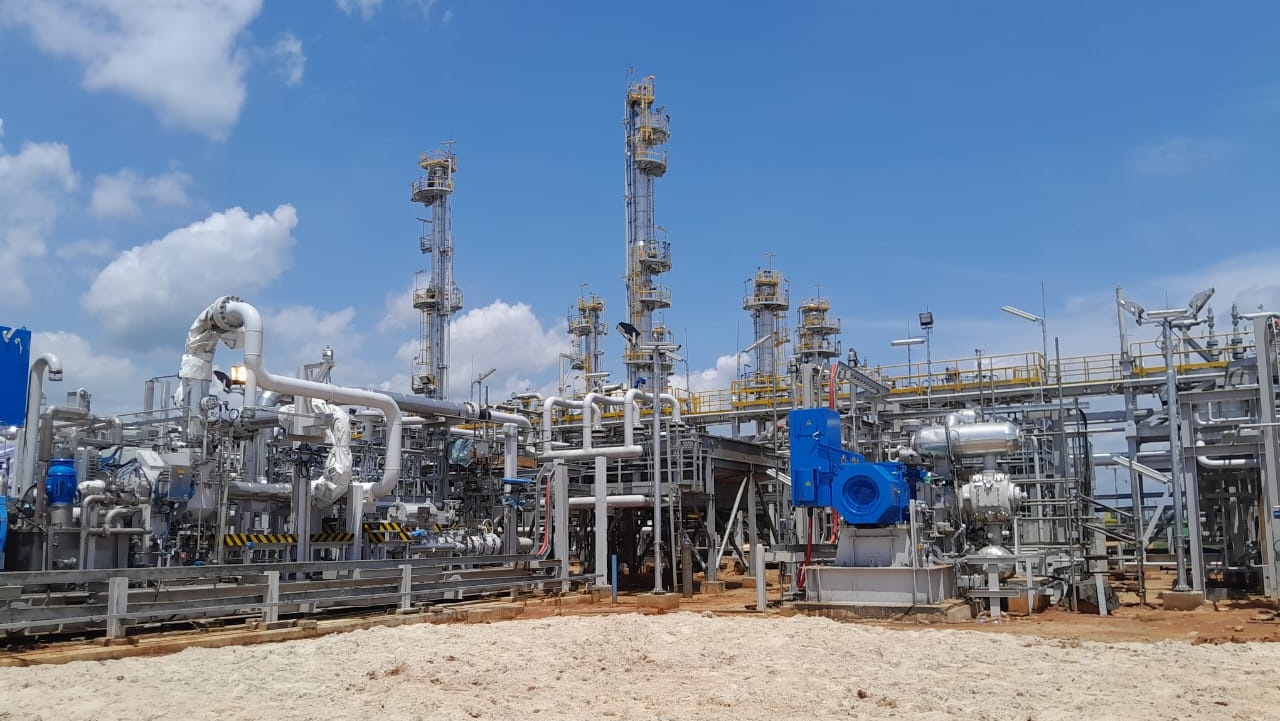
Oil and Gas companies dwelling in our rural areas can be said have been failing their host communities. Most of these places are nothing to write home about even though Oil companies are exploiting their natural resources. In Imo State, for instance, Ohaji/Egbema, Oguta and Oru Wast Local Government Areas appear not to have been developing as expected.
For many years, oil and gas companies in Imo have drilled and exported crude from communion these communities.Those villages power the national budget. Yet walk through most of the host communities in Bayelsa, Rivers, Delta, Akwa Ibom, and other NDDC states today and you’ll see the opposite of prosperity. Polluted water, failed schools, lack of jobs for the youths, frustrations, bitterness, rancour, acrimony are now what they have resorted to.
Marginalization here isn’t one event. It’s a system built into how oil and gas companies operate, relate to government, and relate to the people whose land they use.
Pollution:
Pipelines get through farmlands and others. When they leak, companies often blame sabotage and delay in cleaning it up for years. By the time remediation starts, the soil is dead and the fish are gone. This particular issues led to crisis in Oguta Local Government Area of Athe State.
Gas Flaring:
Despite laws and warnings, Gas flaring still occures meters from homes. These heat, soot, and chemicals cause asthma, skin diseases, and cancers. Many have been sent to their untimely graves due to the emissions. Communities get the health burden; companies get the gas revenue.
Waste disposal:
Drilling muds, produced water, and other waste are sometimes discharged into waterways in these host communities. The rural dwellers who drink, bathe, and fish from those same rivers pay the price by going down with sicknesses. The pattern is: extract value, externalize cost. The environment is treated as free.
Economic Marginalization:
Wealth Extracted, Poverty Left Behind
Oil is taken from community land, but the economic benefits rarely stay there.
Jobs:
Most technical, management, and Headquarters jobs are in Lagos, Port Harcourt city center, or abroad. In the host community, people get security guard roles, menial contracts, or temporary “youth employment” that ends when the project ends. Skilled indigenes are told they “lack capacity” while contracts go to firms from outside.
Contracts:
Local content laws exist, but in practice contracting is politicized. A few connected chiefs and contractors become millionaires. The wider community gets nothing. This creates internal division and gatekeepers.
Revenue Flow:
Companies pay taxes, royalties, and 3% Host Community Development Fund under the Petroleum Industry Act. But communities have little control over how it’s spent. The money passes through state governments, NDDC, or company-selected trustees. Audits are weak. Projects are abandoned. It is on record that the community provides the land, bears the risk, but does not control the money.
Social And Political Marginalization:
It is unfortunate that no voice in heard, only consultation token engagement. Companies hold stakeholder meetings. Decisions are already made. Community input is treated as a Puplic Relations requirement, and not a consent. Free, Prior and Informed Consent is not practiced.
Leadership:
To deal with a community, companies pick 3-5 leaders. This empowers individuals, not institutions. It fuels rivalry, cultism, and violence as different factions fight to be the company’s preferred contact.
Criminalization Of Protest:
When communities block gates or demand cleanup, the response is often security forces, surveillance contracts, or court cases — not dialogue. Agitation is labeled “militancy” instead of being treated as a grievance.The message is clear: your land is valuable, your opinion is not.
Development Marginalization: CSR as Charity, Not Right Corporate Social Responsibility has become a substitute for justice.
Schools, boreholes, and town halls are donated. Good. But they are small, scattered, and not tied to a long-term development plan for the area.
Scholarships reach a handful of students while the public school in the same community has no teachers.
Health programs are outreach-style, not fixing the fact that the company’s operations made people sick in the first place.
CSR becomes a tool to manage reputation, not to correct the structural damage. And when oil prices drop, CSR budgets are the first to be cut.
Why Companies Get Away With It
Legal structure: Under Nigerian law, all minerals belong to the Federal Government. Communities have no ownership rights, only “compensation.”
Weak regulation: NOSDRA, NUPRC, and NDDC are underfunded and sometimes captured. Penalties for spills are cheaper than proper prevention.
Divide and rule: It’s easier for a company to negotiate with a fragmented community than with a united one. Politics makes that fragmentation worse.
What Real Partnership Would Look Like
Marginalization will continue until the relationship moves from extraction to partnership:
Community ownership & control
: The 3% PIA fund should go into community-owned, independently audited trusts with published accounts. Communities decide priorities, not politicians.
Real Jobs And Capacity:
Binding quotas for skilled jobs, apprenticeships, and procurement for host community indigenes. Fund technical schools in the delta to build that capacity.
Environmental liability: Polluter pays, immediately. Independent monitoring, automatic fines, and no new drilling license until past spills are cleaned.
Consent, not consultation*: Communities must have veto power over projects that affect their land and water.
Transparency: Publish all Memorandum Of Understandings, spill data, and project lists with GPS locations. Let communities track them.
Final Word:
Oil and gas companies are not the only actors here — government failure and corruption matter too. But companies cannot hide behind that.
You cannot take billions of dollars worth of resources from a place every year and leave the people there with poverty, pollution, and broken promises, then call it “development.”
Host communities are not asking for handouts. They are asking to not be treated as sacrifice zones. They want clean water, real jobs, a clean environment, and a seat at the table where decisions about their land are made. Until that happens, the oil will keep flowing out, and the grievances of the host communities would keep flowing in.
In Mmahu, a riverine community in Ohaji/Egbema Local Government Area, children used to learn under leaking zinc roofs. The nearest health center was also nothing to write home about. That was before 2022, when the Petroleum Industry Act, PIA, made it law: oil companies must set aside 3% of their annual operating expenditure for host communities.
Two years later, Mmahu has a new 8- classroom block, solar-powered boreholes, and over 200 youths in a skills program. The question across the Niger Delta now is: is this the exception, or the new rule?
From Handouts to Rights:
For decades, community development in oil areas depended on the mood of an oil company or the goodwill of an NDDC contractor. Communities protested, blocked flow stations, and got a transformer or two.
The PIA changed that. Section 235 mandates that Settlors — IOCs and independents — pay 3% of OPEX into a Host Community Development Trust, HCDT, every year. The trust, governed by a Board of Trustees with community representatives, decides how to spend it on development projects.
In Rivers, Bayelsa, and Delta, over 200 HCDTs have been incorporated. In 2024 alone, the Nigerian Upstream Petroleum Regulatory Commission, NUPRC, reported that over $200 million was committed to host community trusts nationwide.
What It Looks Like on the Ground
In Egbema, is funded by Shell. Imo State Government, under the administration of Governor Hope Uzodimma has also impacted lives in the communities. The board sat down in 2023 and asked: what do we need most? Education, health, and jobs came top.
On Education:
A new block with Internet Communication Tec lab. 400 pupils now have desks and fans.
Health:
A renovated cottage hospital with a solar fridge for vaccines.
Livelihood:
Women trained in fish processing and packaging. Youths trained in welding, scaffolding, and HSE.
We are no longer begging, says Mrs. Ibim, a BOT member. “The money is ours by law. We decide.”
In Bayelsa’s OML 29 area, the trust funded 20km of shoreline protection to stop erosion eating into houses. In Delta, one trust built a cassava processing plant employing 80 people.
The Challenges Will not Go Away
It is not all smooth.
Politics:
In some communities, chiefs and youth leaders fought over who should be on the Board Of Trustees. In a few places, companies were accused of handpicking trustees.
Speed:
Projects take time. People expect instant roads and bridges. A borehole in six months feels slow when you have waited forty years.
Capacity:
Many BOT members are learning budgeting and procurement for the first time. Some trusts still rely heavily on the oil company for secretariat support.
Transparency:
The biggest demand in town halls now is: “Show us the account.” Communities want quarterly reports pasted on walls and shared on WhatsApp, not just filed in Abuja.
A civil society leader in Owerri, the Imo State capital puts it bluntly: “The 3% can either break the cycle of poverty, or become another NDDC if we don’t watch it.
Why This Matters For the Industry
For oil companies, the HCDT is also about risk reduction. Fewer protests, fewer pipeline breaches, better relations.
An operations manager with the Seplat Energy in Imo said: “When communities own the project, they protect it. We spent less on security in 2024 in areas with functional trusts.”
For government, it’s a test of the PIA. If the 3% works, it proves that resource control can start from the community level without breaking the country.
VOICES FROM THE FIELD
“My daughter is in JSS2 now. Before, she would have dropped out to sell pure water. Now she wants to be an Engineer.” — Emmanuel Iwuoha
“We don’t want fish ponds every year. We want one big project that will outlive the oil.” — Youth Leader, Oru West LGA
Analysis:
The 3% is not charity. It’s about 3 cents for every dollar an oil company spends to operate. Over 10 years in a producing field, that’s serious money.
The difference between success and failure will come down to 3 things:
Governance- Independent audits and public reporting.
Capacity – Training for BOT members and community project managers.
Patience – Big projects like roads and cottage industries take 3-5 years, not 3 months.
KICKER
Back in Egbema, the new classroom block has a sign: “Funded by Host Community Development Trust Fund, 2024.” No company logo. No politician’s name.
That sign might be small, but it represents a big shift. For the first time, host communities are not waiting for oil and gas companies to “do Coporate Social Responsibity. They are spending their own money, on their own priorities.
The percent promise is only two years old. Whether it becomes the foundation for real development in NDDC states will depend on how honestly companies, government, and communities manage it.
Let me use this medium to commend SEPLAT Energy for organizing a two day workshop focused on leadership development, local content, and sustainable community growth for selected Journalists in Imo.
The workshop, held from July 21 to 22, 2026, was themed, “Leadership Capability, Local Content and Sustainable Community Development.” It also brought together community leaders, youth representatives, women, government officials, and other stakeholders from SEPLAT host communities in Ohaji Egbema Local Government Area of Imo State.
Speaking after the event, Those interviewed, described the workshop as timely and impactful, noting that it equipped participants with practical knowledge and skills needed to strengthen leadership, promote local participation, and advance sustainable development in their communities.
They praised the Oil Company for its continued investment in human capacity development and stakeholder engagement, stressing that such initiatives encourage collaboration, responsible leadership, and long term progress in host communities.
They urged participants to apply the lessons learned for the benefit of their communities and reaffirmed his commitment to supporting programmes that promote peace, development, and shared prosperity across the oil producing areas.
Sampson Uhuegbu, Weekend Editor of STATESMAN Newspapers can be reached through: sampsonuhuegbu27@gmail.com